
Interactive Content for Manufacturers
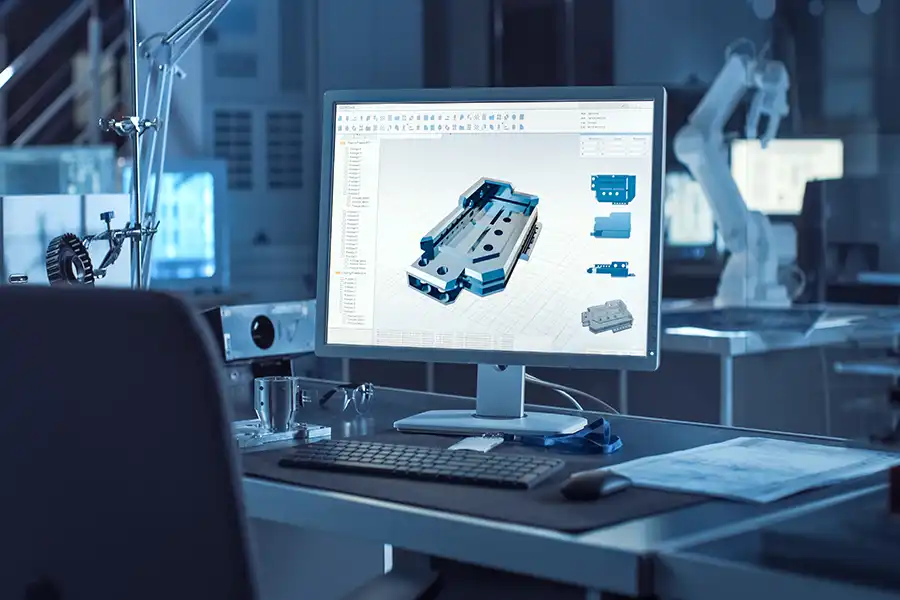
Manufacturers invest heavily in engineering, precision, and design, but too often that work is hidden behind static spec sheets and PDF catalogs. Interactive tools—like CAD model libraries, configurators, and calculators—give that information life. They help engineers, buyers, and plant managers test ideas, compare performance, and find the right fit before they ever make a purchase.
Why Interactive Tools Matter
Most manufacturing websites get visitors who already know what they need. They’re not browsing for entertainment—they’re looking for answers. Interactive tools deliver those answers instantly. Instead of digging through data tables, users can enter specifications, adjust parameters, and view results that directly apply to their project.
These tools keep people on your site longer because they’re doing something meaningful. When a visitor can experiment with a configuration or download a model, they’re engaging with your brand in a way that builds trust.
Practical Examples of Interactive Tools
CAD Model Libraries. Provide engineers with access to 2D and 3D CAD files in various formats. When someone downloads a model, they’re not a casual visitor—they’re designing your component into their project.
Product Configurators. Allow users to select options such as size, material, and torque, and then instantly generate part numbers or specifications. It shortens the quoting process and helps sales focus on serious buyers.
ROI and Cost Calculators. Show the financial impact of switching to your solution. Whether it’s reduced downtime or improved throughput, calculators make the value tangible.
Interactive Charts and Comparisons. Visual tools make technical differences easy to understand. For example, a chart could show how motor efficiency changes under load or how two materials perform under stress.
Benefits for Manufacturers
- Keeps visitors engaged — users interact instead of skimming.
- Generates qualified leads — data from forms or calculators feeds directly into your CRM.
- Improves SEO — engagement metrics, such as time on page, help rankings.
- Provides fundamental insights — every interaction shows what customers care about most.
- Builds credibility — letting users test your data creates trust.
Real‑World Example
A workstation manufacturer added a tool called the “Workspace Efficiency Estimator” to its website. Visitors could enter details such as team size, floor layout, and configuration options to calculate space savings and see which models would fit best. Within a few months, the company noticed precise results — qualified leads tripled, quote conversions jumped by about 40%, and visitors were spending far more time exploring the page.
Best Practices for Getting Started
Start with one useful tool. A simple calculator or a small configurator can make a big difference. Get one right before building more.
Think like the user. Engineers don’t want flash — they want accuracy. Ensure that results are reliable and easily accessible on any device.
Connect it to your CRM. Every form or download should feed straight into your lead pipeline so you know who’s interacting and what they need.
Promote it everywhere. Feature the tool in email campaigns, social posts, and even at trade shows where prospects can try it out live.
Watch how people use it. Track downloads, conversions, and feedback to see what’s working and where users drop off. Adjust from there.
Interactive tools transform a manufacturer’s website into a functional resource, rather than a digital brochure. When visitors can configure, calculate, or download models, they learn more and stay longer. These tools don’t replace sales—they make every conversation that follows more productive.
At FMG, we help manufacturers create these kinds of digital experiences — from CAD libraries and configurators to ROI calculators that engage engineers and generate qualified leads.
If you’re ready to turn your website into a tool your buyers actually use, let’s talk about what that could look like for your brand.